

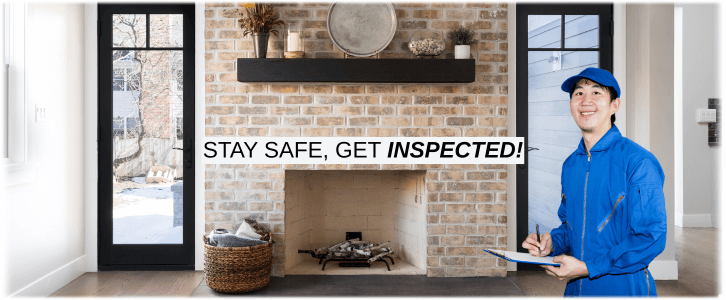
Scheduling a professional chimney inspection in Las Vegas, NV protects your home from hidden fire hazards and structural damage. Our team evaluates every accessible component to ensure safe operation and proper airflow. Because desert heat, wind, and dust affect masonry systems over time, small issues often go unnoticed. Therefore, routine inspections provide clarity, safety, and long-term peace of mind.
Comprehensive Chimney Inspection in Las Vegas, NV
Las Vegas homes experience extreme temperature swings throughout the year. As a result, bricks, mortar joints, and chimney crowns expand and contract repeatedly. Our Las Vegas chimney inspection service identifies cracks, loose masonry, and early deterioration before they escalate.
First, we assess the exterior structure for visible damage. Then, we examine the flue liner, smoke chamber, and damper system. Because internal issues often remain hidden, we look closely for signs of creosote buildup and airflow restriction.
Homeowners in zip codes 89117, 89129, and 89134 often request service before winter use. Consequently, annual chimney safety inspection becomes an important preventive step. Early detection reduces repair costs and enhances overall performance.
Trusted Experts for Chimney Inspection in Las Vegas
When homeowners search for trusted experts for chimney inspection in Las Vegas, they want clear answers and honest guidance. We provide both. Moreover, we explain our findings in straightforward terms and recommend practical next steps.
Las Vegas’s best service focuses on safety and structural integrity. Therefore, we follow established industry standards during every evaluation. If we identify concerns, we outline solutions without pressure.
In addition to chimney inspections, we offer chimney cleaning to remove creosote deposits. We also provide chimney repair for cracked masonry and failing components. If your fireplace shows performance issues, we complete fireplace repair and fireplace cleaning for improved efficiency. Furthermore, dryer vent cleaning enhances overall home safety.
Why Regular Inspections Matter in Desert Climates
Although Las Vegas sees limited rainfall, water damage still occurs during seasonal storms. Consequently, minor crown cracks can allow moisture intrusion. Routine fireplace inspection and chimney evaluation help prevent structural weakening.
Strong desert winds often dislodge chimney caps and flashing. Therefore, inspection ensures these protective elements remain secure. In addition, dust accumulation inside the flue may restrict draft over time.
Because homeowners rely on fireplaces during cooler desert nights, pre-season checks remain essential. As a result, you reduce the risk of smoke backup or carbon monoxide exposure.
Serving Homes Across the Las Vegas Valley
We proudly serve neighborhoods near Summerlin, Henderson, and Downtown Las Vegas. Our technicians arrive prepared and complete each inspection efficiently. Moreover, we treat your home with care and respect.
If you plan to use your fireplace this season, schedule a detailed evaluation now. Call (702) 475-8499 to arrange professional service at your convenience.
Frequently Asked Questions
How often should I schedule a chimney evaluation?
You should schedule a professional inspection at least once per year. Annual service ensures safe operation and early problem detection.
What does a chimney inspection include?
An inspection includes evaluating masonry, the flue liner, damper, and venting components. Technicians also check for creosote buildup and structural damage.
Why choose professional chimney inspection in Las Vegas, NV?
Professional chimney inspection in Las Vegas, NV ensures safe performance despite desert heat and wind exposure. Experienced technicians understand local conditions and provide accurate assessments.
Call (702) 475-8499 today to schedule reliable chimney inspection in Las Vegas, NV and secure expert chimney inspection in Las Vegas, NV before small issues become major safety concerns.